
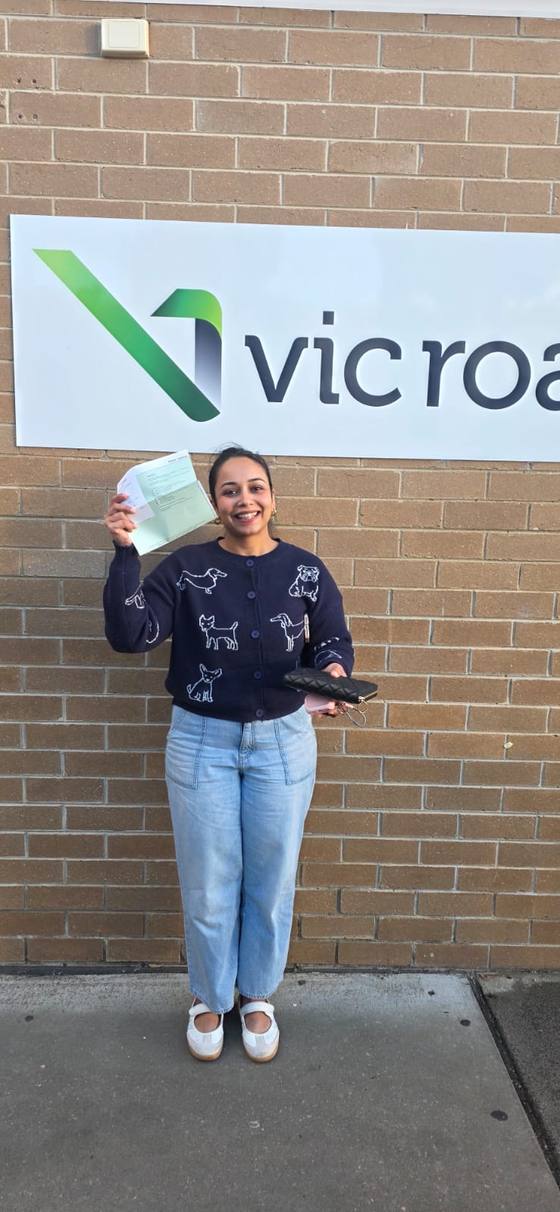
Passing your test is just the beginning. The safe driving tips for new drivers below build the habits that keep you — and everyone around you — safe long after test day, especially during those crucial first months on your Ps.
Safe driving tips for new drivers on the road
Keep a generous following distance — the three-second rule gives you time to react. Scan far ahead rather than fixating on the car in front, and check your mirrors every few seconds. Signal early, and always do a head check before changing lanes; mirrors alone leave blind spots.
Match your speed to the conditions, not just the sign. In rain, at night, or in heavy traffic, easing off gives you a bigger safety margin.
Avoiding the biggest risks
Phones are the number one distraction — keep yours out of reach. Fatigue is just as dangerous as it slows reactions dramatically, so rest before long drives. And never drive after drinking; new drivers must maintain a zero blood-alcohol limit in Victoria. These aren’t just rules — they’re the difference between a near-miss and a crash.
Keep building your skills
Confidence grows with experience, but a refresher lesson can help if you face a new challenge like freeway driving or wet-weather confidence. Explore lesson options or book online any time. For current road rules and P-plate conditions, check the VicRoads P-plate page.
Great drivers aren’t born — they’re built through good habits repeated every trip. Start with these fundamentals and they’ll serve you for the rest of your driving life.
Handling tricky conditions
Some of the most valuable safe driving tips for new drivers concern conditions you may not have practised much. In heavy rain, slow down, increase your following distance and use your headlights. At night, dip your lights for oncoming traffic and give yourself more time to react. On the freeway, plan lane changes early, match the traffic speed, and keep left unless overtaking.
If a situation feels beyond your current confidence — your first freeway drive, or driving in the city — a single refresher lesson with an instructor is a smart, low-cost way to build the skill safely rather than learning the hard way.
Maintaining your car and your focus
Safe driving is not only about how you drive. Keep your tyres, lights and brakes in good order, and make sure your mirrors and seat are set before you move. Inside the car, minimise distractions: set your route and music before you start, silence your phone, and ask passengers to keep things calm.
The habits you build in your first year on the road tend to last for life. Lock in these fundamentals now — space, observation, focus and respect for the conditions — and you will be a safer, more confident driver for every year that follows.
Confidence grows with every trip
The best of the safe driving tips for new drivers is simply this: keep driving thoughtfully. Every trip is a chance to reinforce good habits — smooth inputs, generous space, constant scanning and zero distractions. As the months pass, situations that once felt stressful become second nature, but the fundamentals never change. Stay humble about conditions you have not mastered yet, book a refresher if you need one, and never let confidence tip into complacency. Do that, and you will be one of the safe, capable drivers who make the roads better for everyone.
Quick questions from new drivers
At least three seconds, and more in poor conditions.
No — new drivers must keep a zero blood-alcohol level in Victoria.
Plan lane changes early, match the traffic speed, and consider a refresher lesson first.
Distraction, especially phones — keep yours out of reach.
Any time a new challenge feels beyond your confidence; one lesson is a cheap way to stay safe.
Ready to start your lessons?
Automatic driving lessons across 60 suburbs, 7 days a week. Book online or call us.